History of Trophies
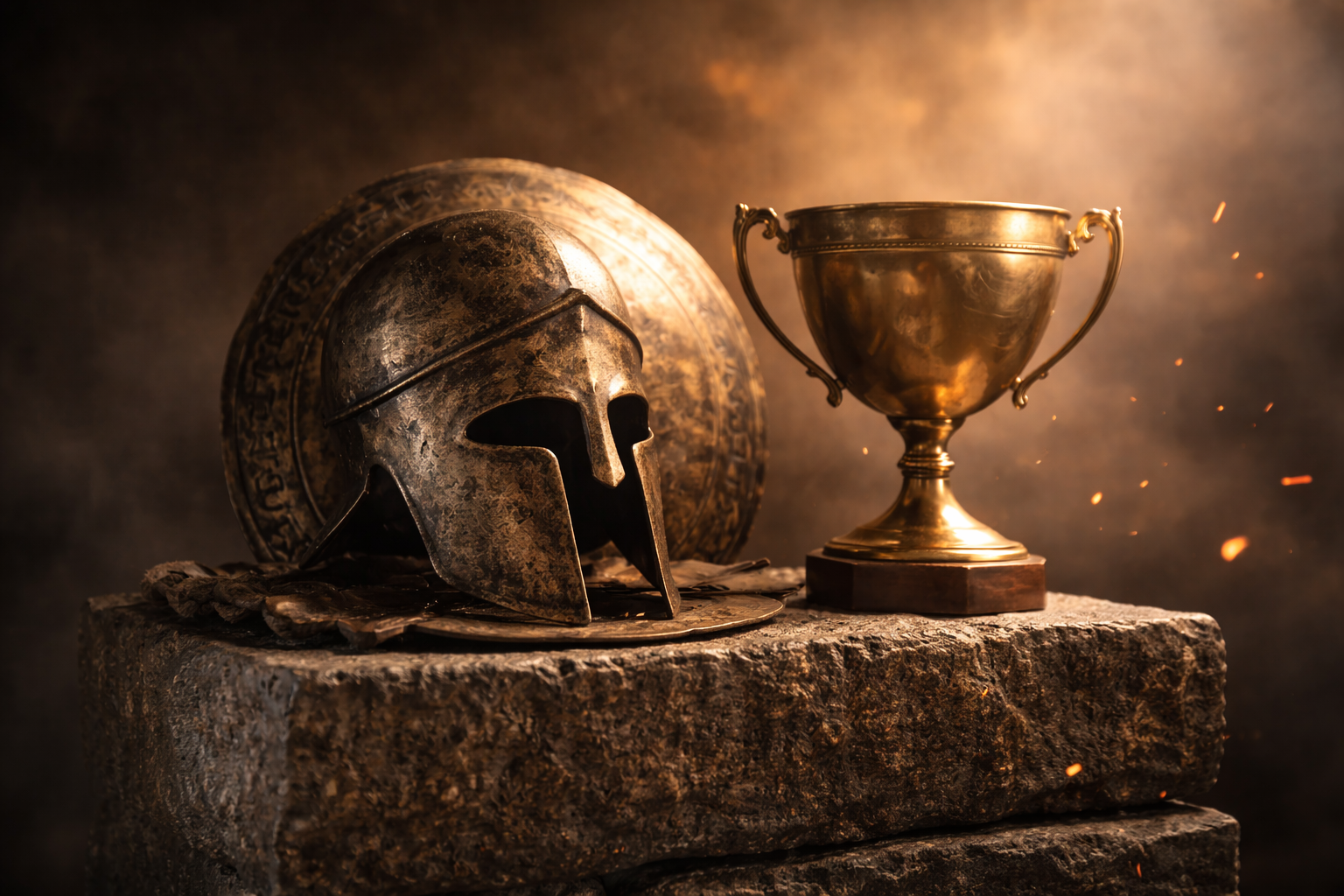
The story of the trophy is deeply intertwined with humanity's relationship to victory, memory, and symbolic recognition. Its origins lie in ancient Greece, where the tropaion — derived from the Greek word tropè, meaning "turning point" — was erected on the battlefield at the exact spot where the enemy line had broken and retreated. Assembled from captured weapons, shields, and helmets, this monument served a dual purpose: military commemoration and religious offering, thanking the gods for their divine protection in battle. Far from being a permanent structure, the original tropaion was deliberately ephemeral, left to decay naturally as a reminder that glory too is transient.
In Roman times, the tradition evolved significantly. Trophies became permanent, monumental objects sculpted in stone or marble and integrated into public architecture — triumphal arches, victory columns, and civic squares. Roman commanders used them as instruments of political legitimacy and propaganda, displaying the spoils of war to impress citizens and foreign dignitaries alike. The concept of the trophy had shifted from a battlefield ritual to a statement of enduring imperial power.
Through the medieval period, chivalric culture transformed the trophy once more. Tournament champions received precious objects — cups, goblets, banners — as tokens of their valor and social standing. The cup in particular gradually became the canonical form of the trophy, combining the artistry of goldsmithery with the symbolic weight of the reward. This association between the cup and athletic or competitive excellence would prove remarkably durable.
The industrial revolution and the rise of organised sport in the 19th century ushered in the modern era of trophies. Football clubs, athletic associations, and national governing bodies commissioned silver cups, bronze medals, and engraved plaques — objects designed to circulate between successive champions or to be kept as permanent keepsakes. The revival of the Olympic Games in 1896 cemented the gold-silver-bronze medal hierarchy as the global standard for competitive recognition, a system still universally understood today.
In the contemporary world, trophies have expanded far beyond sport. Businesses honour employee loyalty and sales performance; schools celebrate academic achievement; cultural institutions recognise artistic excellence; and professional associations mark years of service. The trophy has become a universal language of recognition, combining centuries of historical heritage with modern design, technology, and manufacturing.
In Switzerland, the trophy and awards industry serves a broad and diverse market across all four linguistic regions. From alpine sports competitions and football tournaments to corporate award ceremonies and academic prize-givings, the demand for quality personalised trophies remains consistently strong.
Manufacturing Methods
Trophy manufacturing draws on a wide range of industrial and artisanal techniques depending on the chosen material — metal, plastic, marble, glass, crystal, or acrylic. Each pathway involves distinct processes, finishing requirements, and specific applications. Here is a comprehensive overview of the main methods used today.
Metal cups — stamping & plating
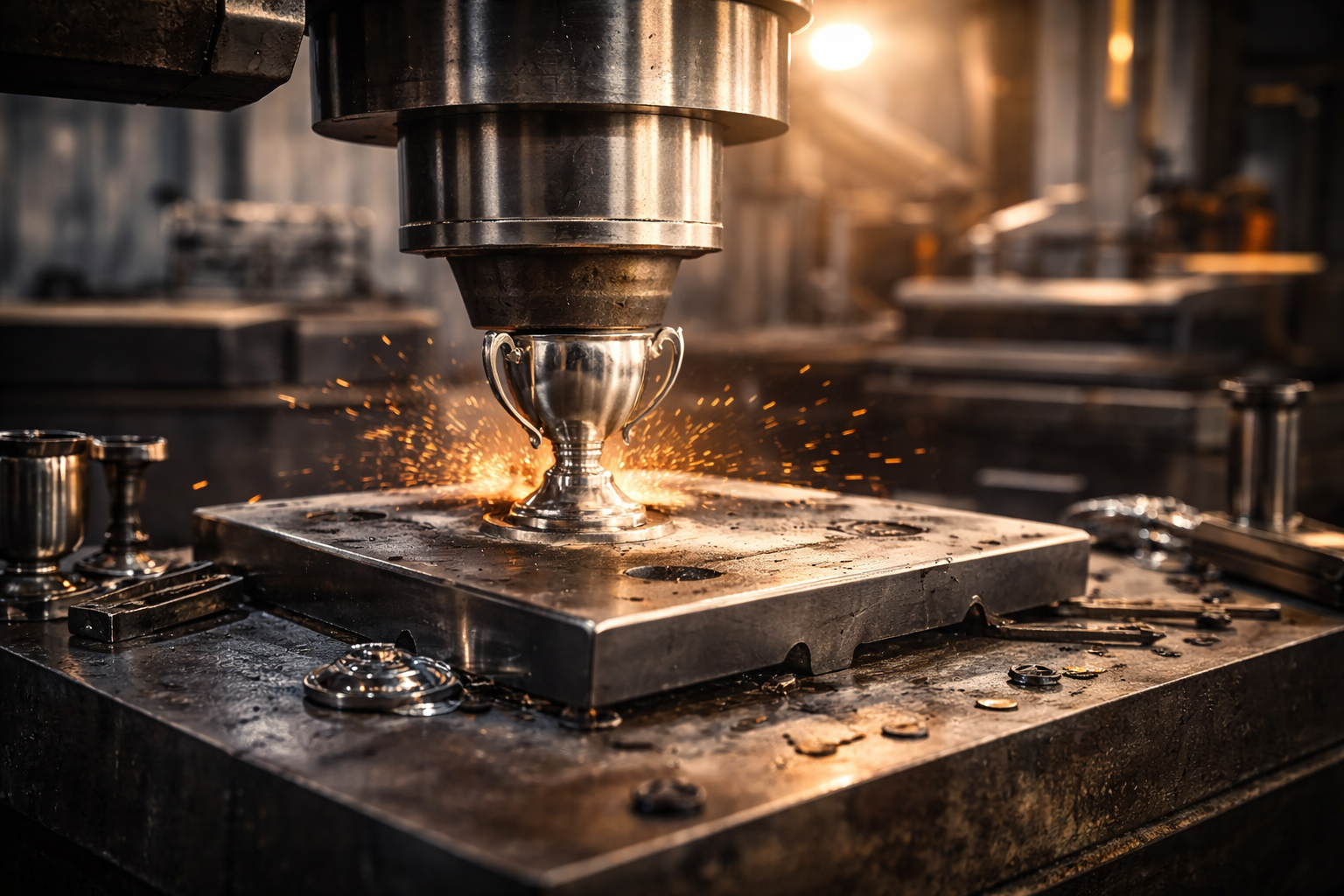
Metal cups are typically produced by stamping or deep drawing: a sheet of metal is placed in a press and shaped by a punch into the desired form — cylindrical, ogival, or chalice-shaped. The different components (body, handles, base) are then assembled by welding or riveting, before undergoing a series of finishing operations: deburring, mechanical polishing, degreasing, and surface treatment.
Electroplating is the final step that gives the cup its gold, silver, or nickel appearance. This technique deposits a thin layer of precious metal onto the surface by passing an electric current through a chemical bath. Beyond aesthetics, plating protects the base metal from oxidation and scratches, allowing trophies to retain their brilliance for many years without special maintenance. The thickness and quality of the plating layer directly determines both the visual quality and the longevity of the finish.
Plastic injection (PVC) — moulded parts
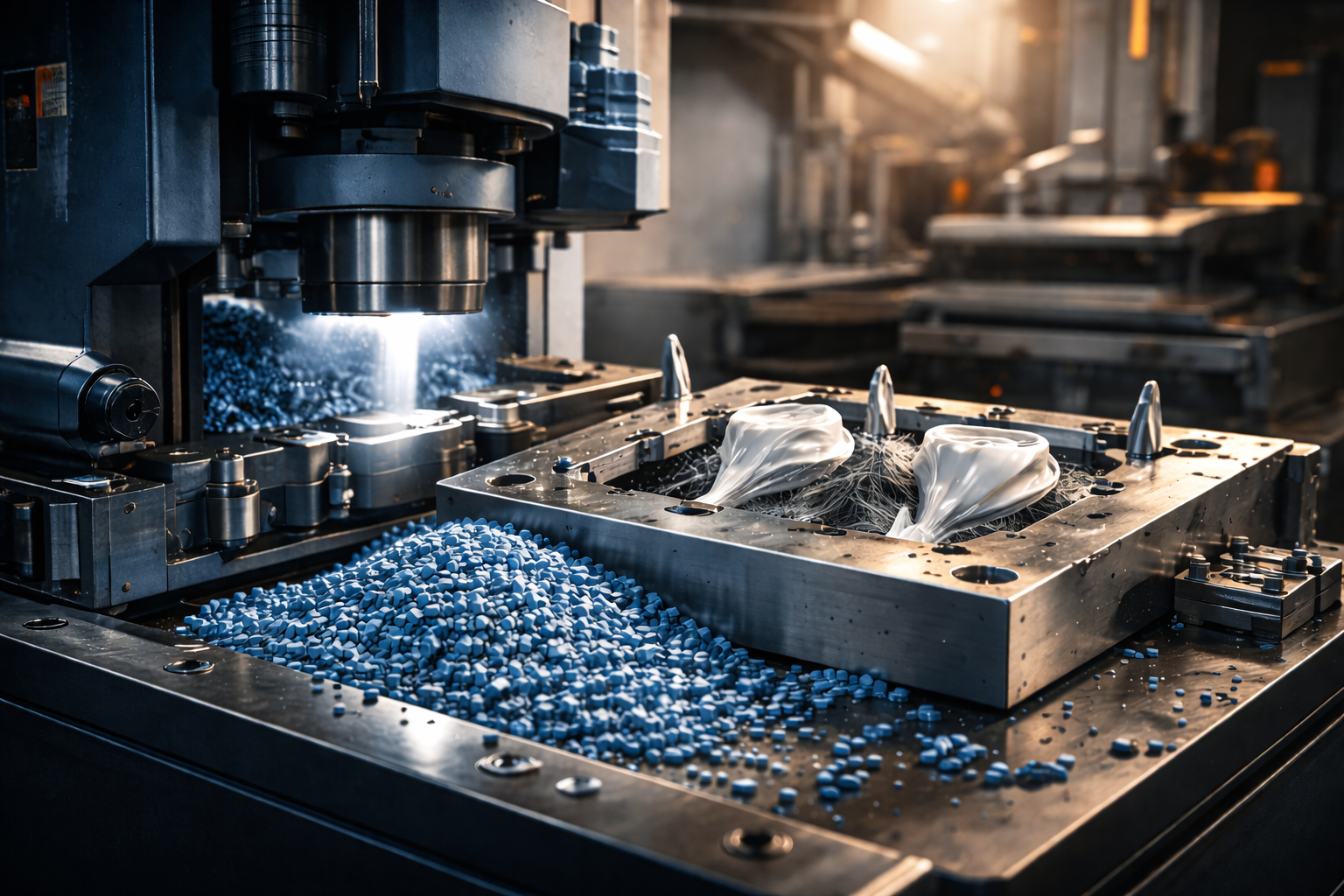
Plastic injection moulding is the most common process for producing trophies in large volumes at controlled cost. PVC, ABS, or thermoplastic resin pellets are heated to their melting point and injected under high pressure into a precision steel mould. Once cooled, the part takes the exact shape of the mould and can be ejected within seconds. This repeatable cycle — thousands of times — ensures perfect homogeneity across large production runs.
Raw parts are then painted, vacuum metallised, or coated with a metallic finish to simulate the look of gold or silver metal. Plastic injection allows the creation of complex shapes — columns, figurines, stylised ornaments — that would be prohibitively expensive to produce in solid metal. Plastic trophies are well suited to high-volume events: sports tournaments, school competitions, or large regional contests where cost efficiency is essential.
Black or white marble bases
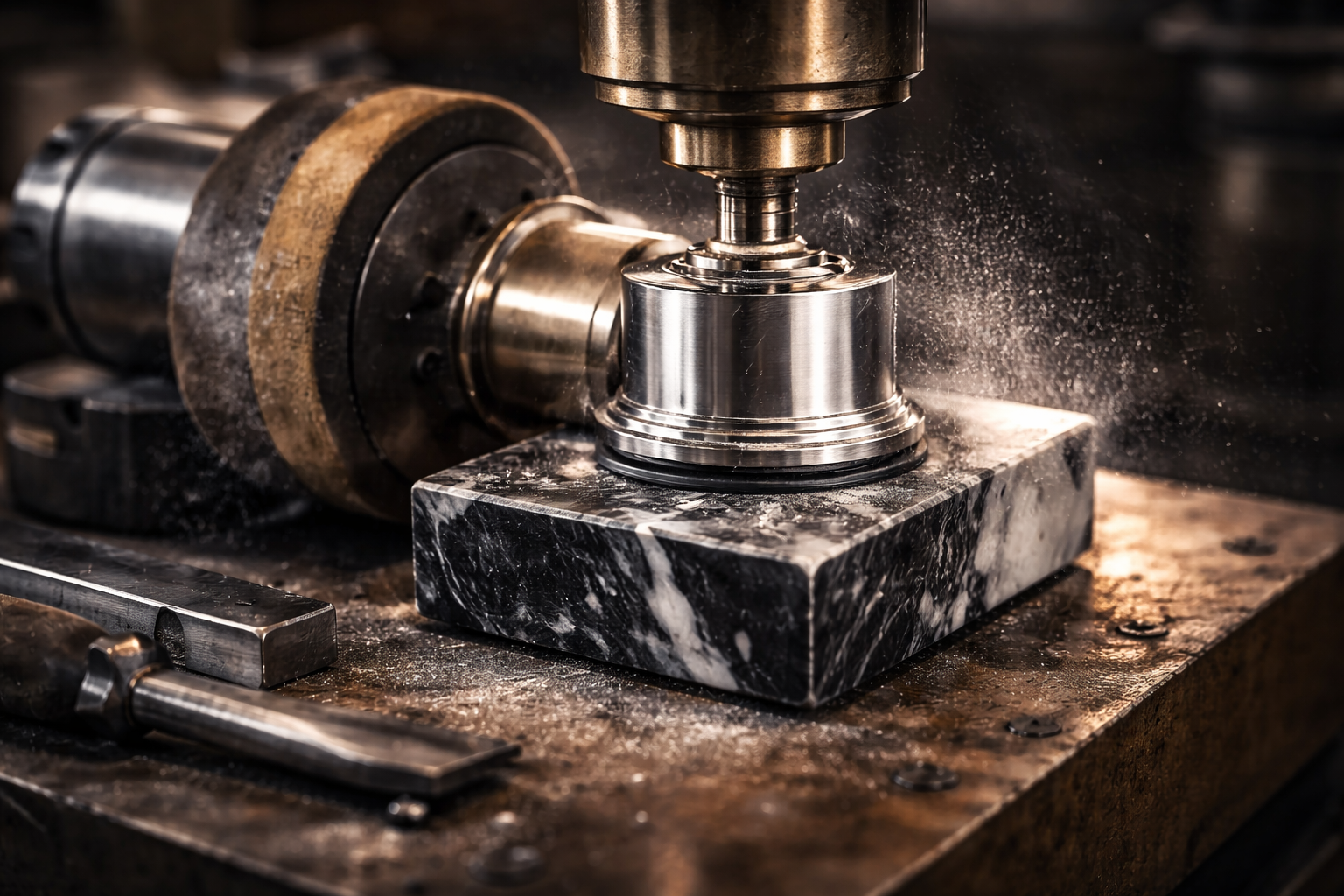
Marble is a noble material that lends prestige and stability to trophies and commemorative plaques. Bases are cut from natural marble blocks using diamond disc saws, then squared to the desired dimensions. Faces and edges are mechanically polished using progressively finer abrasives until a perfect mirror finish is achieved.
Precise holes are drilled for mounting the central cup or figurine, and a personalised nameplate — engraved or screen-printed — is added to the front face. White Carrara marble and black Marquina marble are the two most widely used varieties in the trophy industry: the former for its classical elegance and luminosity, the latter for its sophisticated, timeless appearance. The weight of marble also provides a practical advantage: it ensures perfect stability on any surface, preventing tipping or sliding.
Glass and crystal trophies
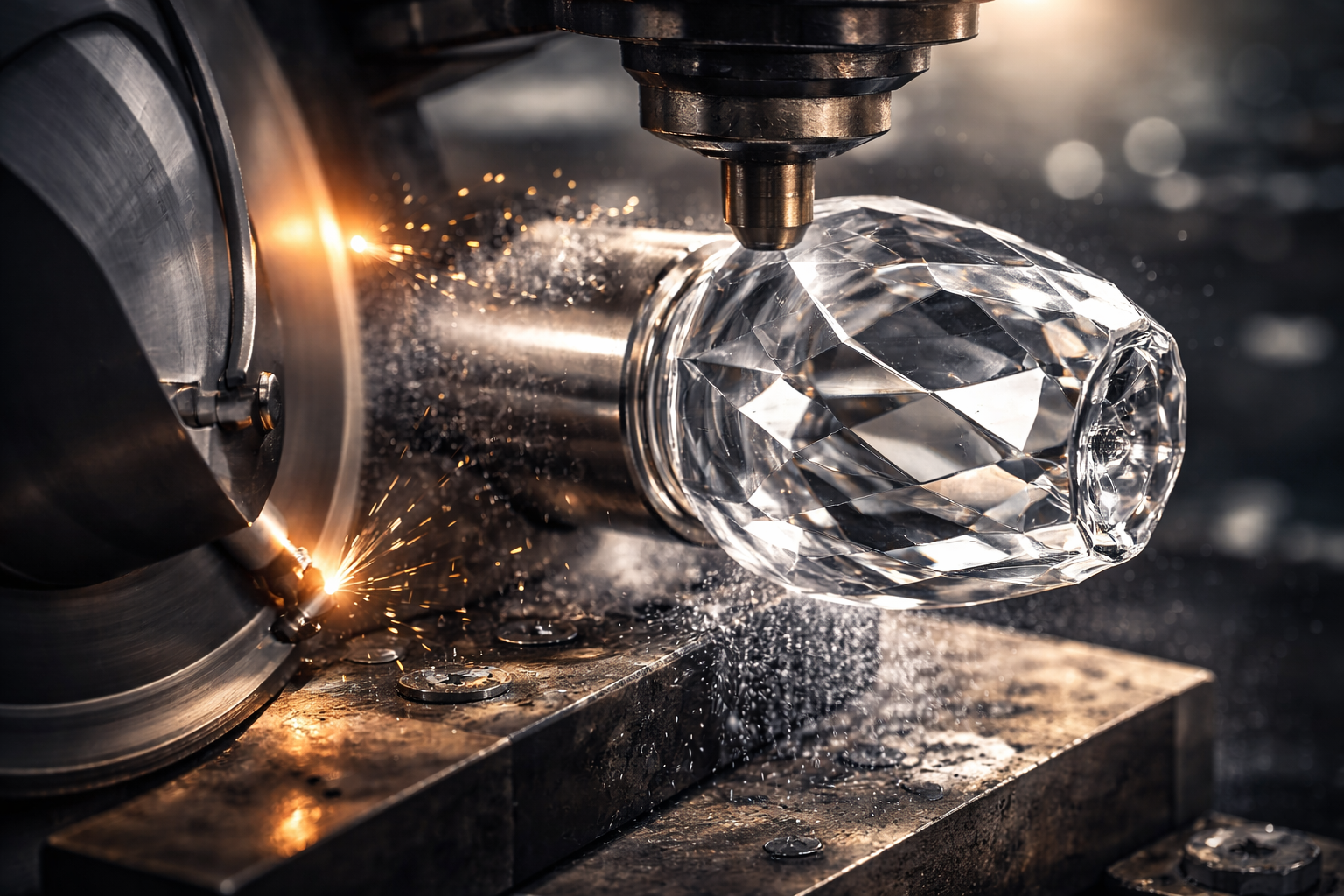
Glass and crystal trophies are prized for their premium look and spectacular light effects. Ordinary glass is cast, moulded, or blown, then cut and ground into geometric shapes with sharp edges. Crystal distinguishes itself through its higher density (achieved through lead oxide or barium content, depending on the formula) which gives it a higher refractive index: light interactions and the characteristic "sparkle" are far more pronounced than in standard glass.
Both materials undergo cutting, bevelling, and polishing using diamond wheels and fine abrasives. Crystal optical trophies are often facet-cut, creating multiple reflections and prismatic light effects. Their weight, transparency, and brilliance make them the preferred choice for prestige awards, excellence prizes, and high-end corporate gifts where the visual impact of the award must match the importance of the achievement being recognised.
Acrylic trophies
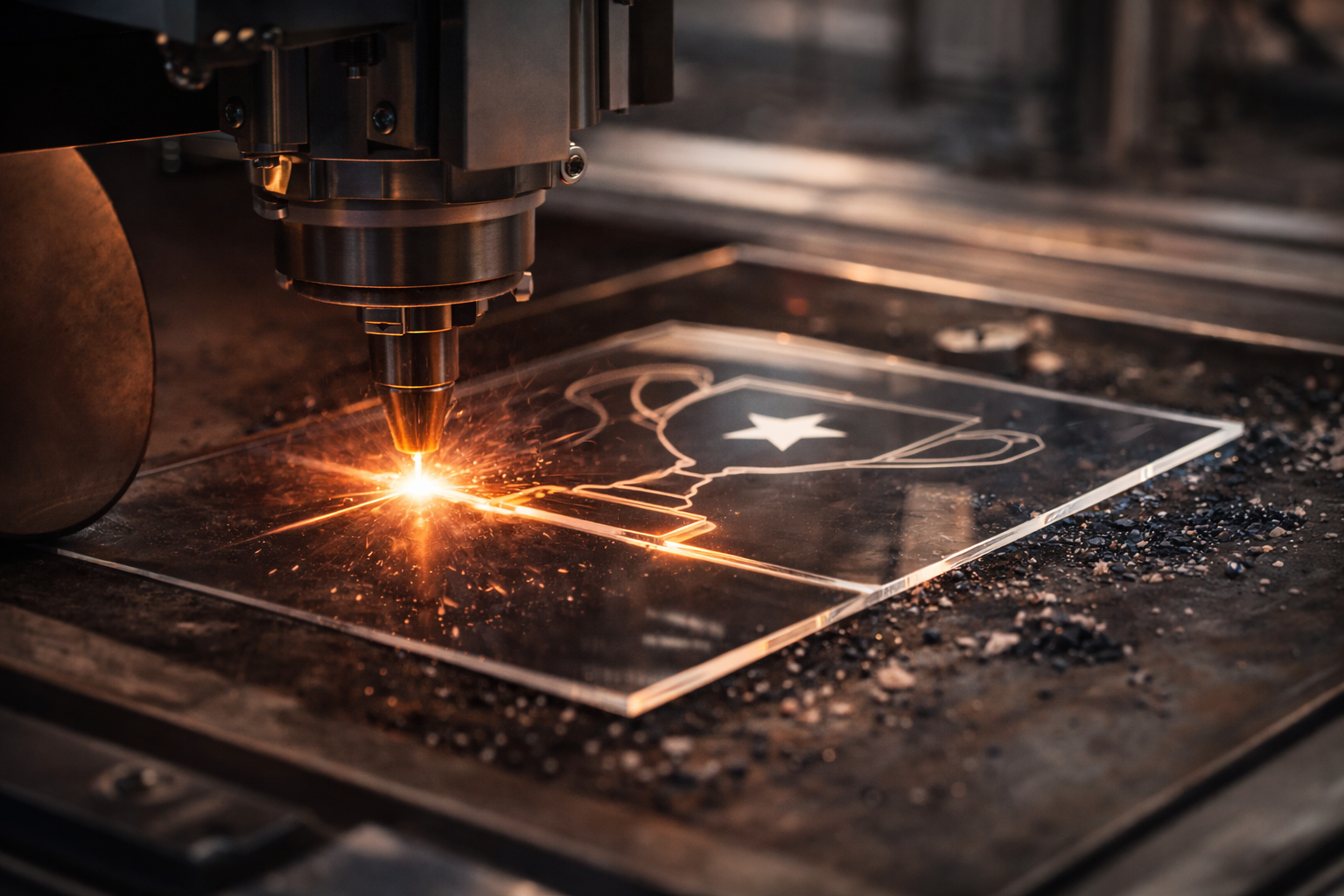
Acrylic (PMMA) is today one of the most versatile materials for contemporary trophies. Light, impact-resistant, and available in optical transparency or a range of tints (opaque white, smoked, coloured), it lends itself to high-precision laser cutting and CNC machining for three-dimensional relief forms. Laser cutting produces clean contours without burring, ideal for complex silhouettes — geographic shapes, company logos, asymmetric designs, or artistic forms.
Acrylic also supports UV surface printing, internal laser engraving (for a striking floating luminous effect), and the assembly of different coloured layers to create depth effects. Its ease of processing, contemporary aesthetic, and moderate cost make it a popular choice for event agencies, technology companies, and organisations seeking original, highly personalised awards that stand out from conventional trophies.
Personalisation Techniques
Personalisation transforms a standard object into a unique, meaningful award. Names, dates, logos, messages, and photographs — modern techniques offer near-unlimited creative freedom while ensuring durability and long-term legibility. Here is a comprehensive overview of the four main methods used in Switzerland and internationally.
Laser engraving
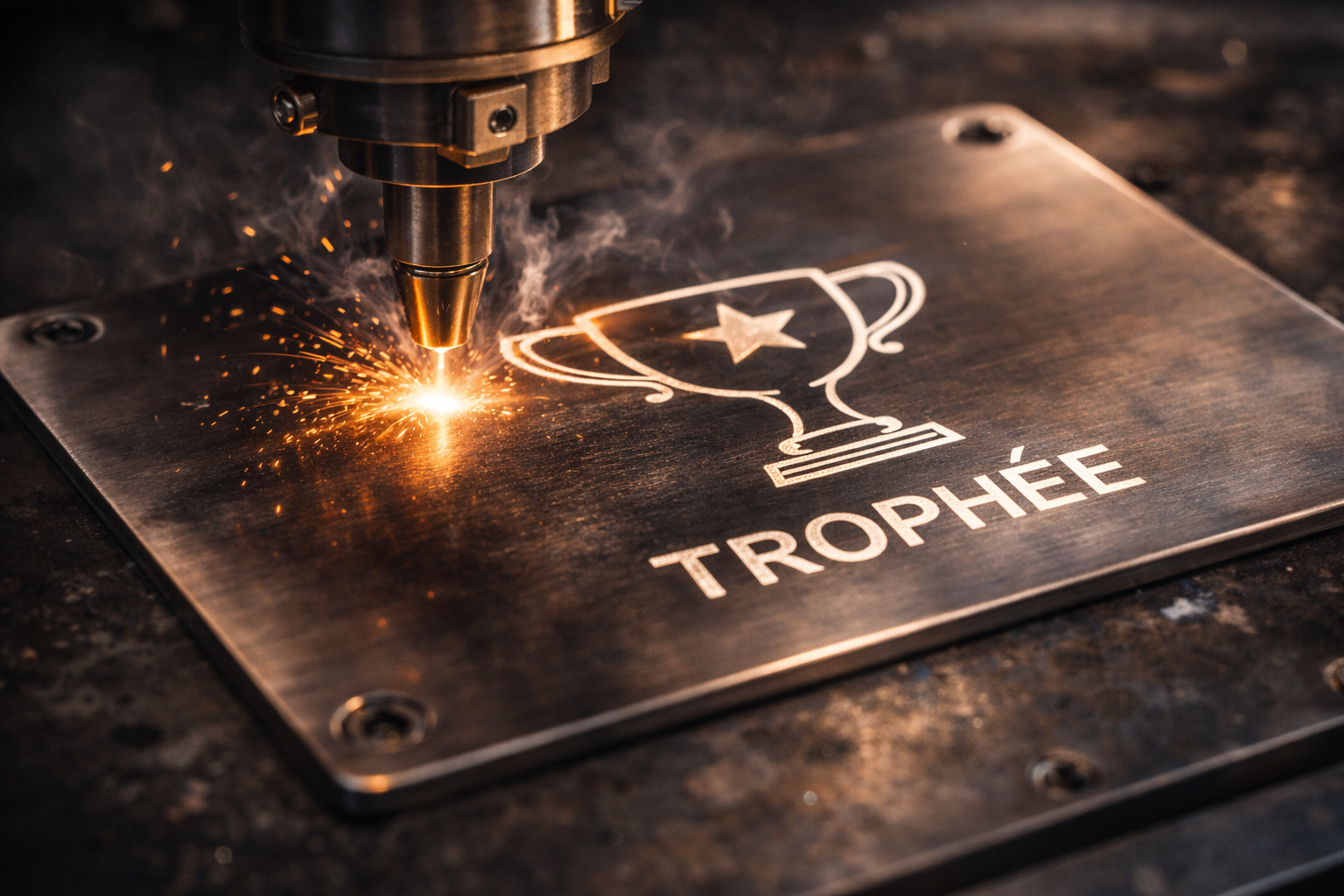
Laser engraving is the reference technique for glass, crystal, and acrylic trophies. A high-energy laser beam vaporises the surface material at a controlled depth, creating a matte/glossy contrast perfectly readable without ink or consumables. The precision of the laser (resolution down to 0.1 mm) allows the reproduction of detailed logos, handwritten signatures, or photographic portraits. The result is permanent, unaffected by humidity and UV, making it the preferred method for prestige trophies intended to last for decades.
Sublimation
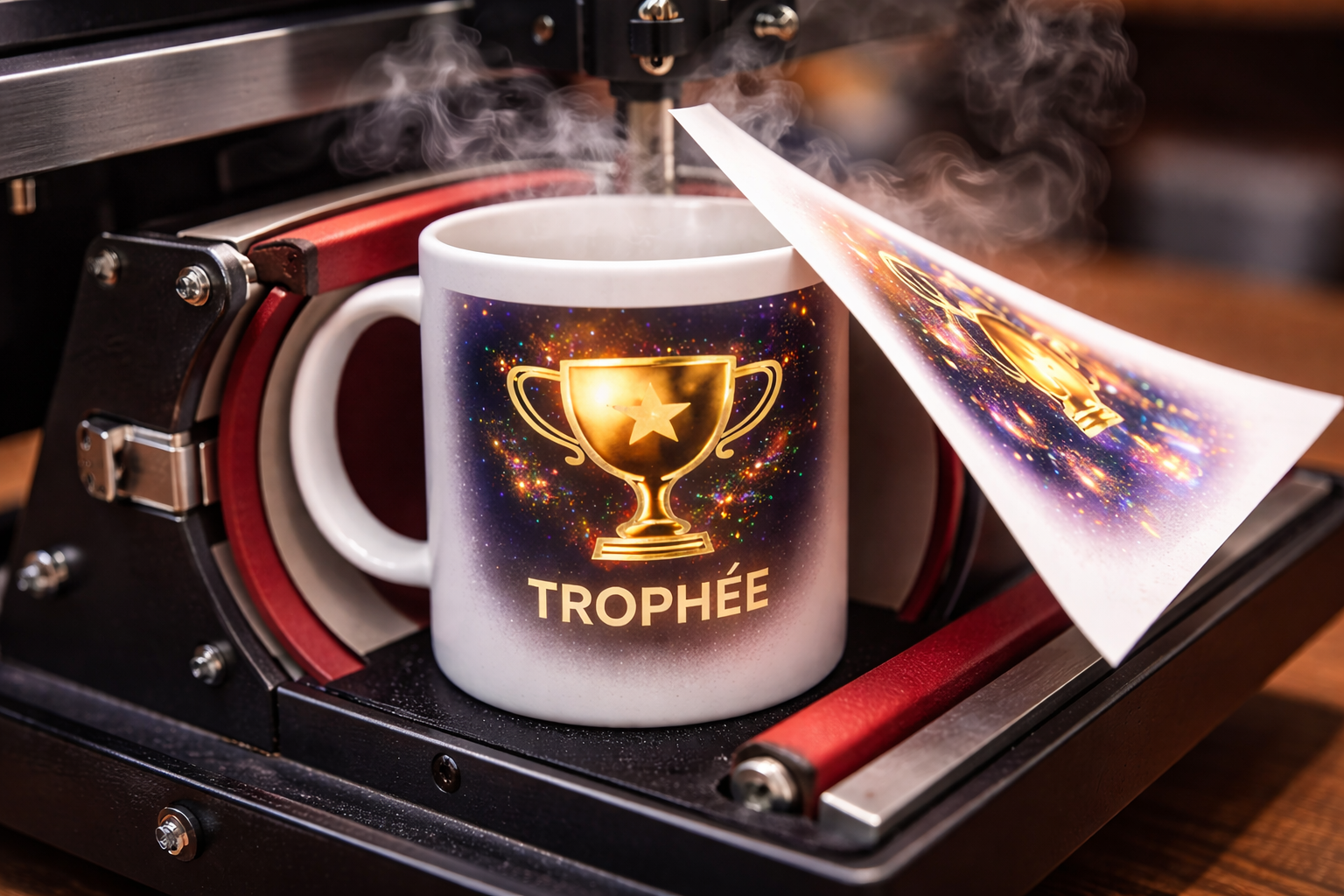
Sublimation is a thermal transfer process used primarily on plates and inserts coated with a special polyester coating. Under heat and pressure from a press, the ink turns to gas and penetrates deep into the coating, creating a full-colour, permanent image resistant to daily handling. Ideal for portraits, team photographs, or complex multi-colour designs, sublimation delivers perfect gradients and faithful skin tone reproduction. It is widely used for award plaques, badges, and personalised medals.
UV flatbed printing
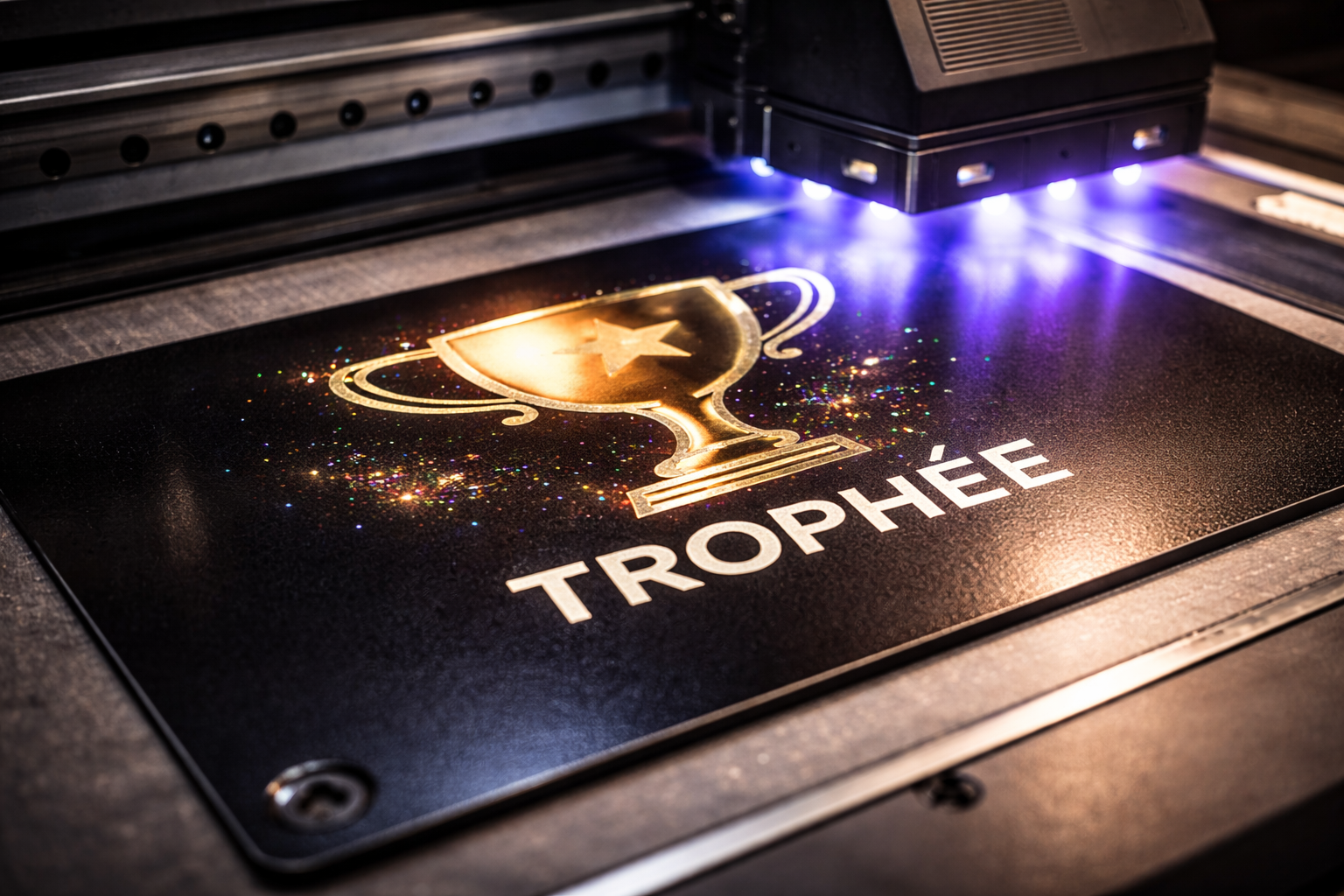
UV flatbed printing is a direct-to-substrate technology: the print head deposits inks onto the surface and UV lamps cure them instantly, layer by layer. It works on acrylic, metal, wood, pre-treated glass, and many other materials. The process achieves photographic resolution and allows the addition of a selective varnish layer to create tactile relief effects (UV embossing). UV printing is particularly suited to design trophies where colour accuracy and graphic detail are top priorities.
Mechanical rotary engraving
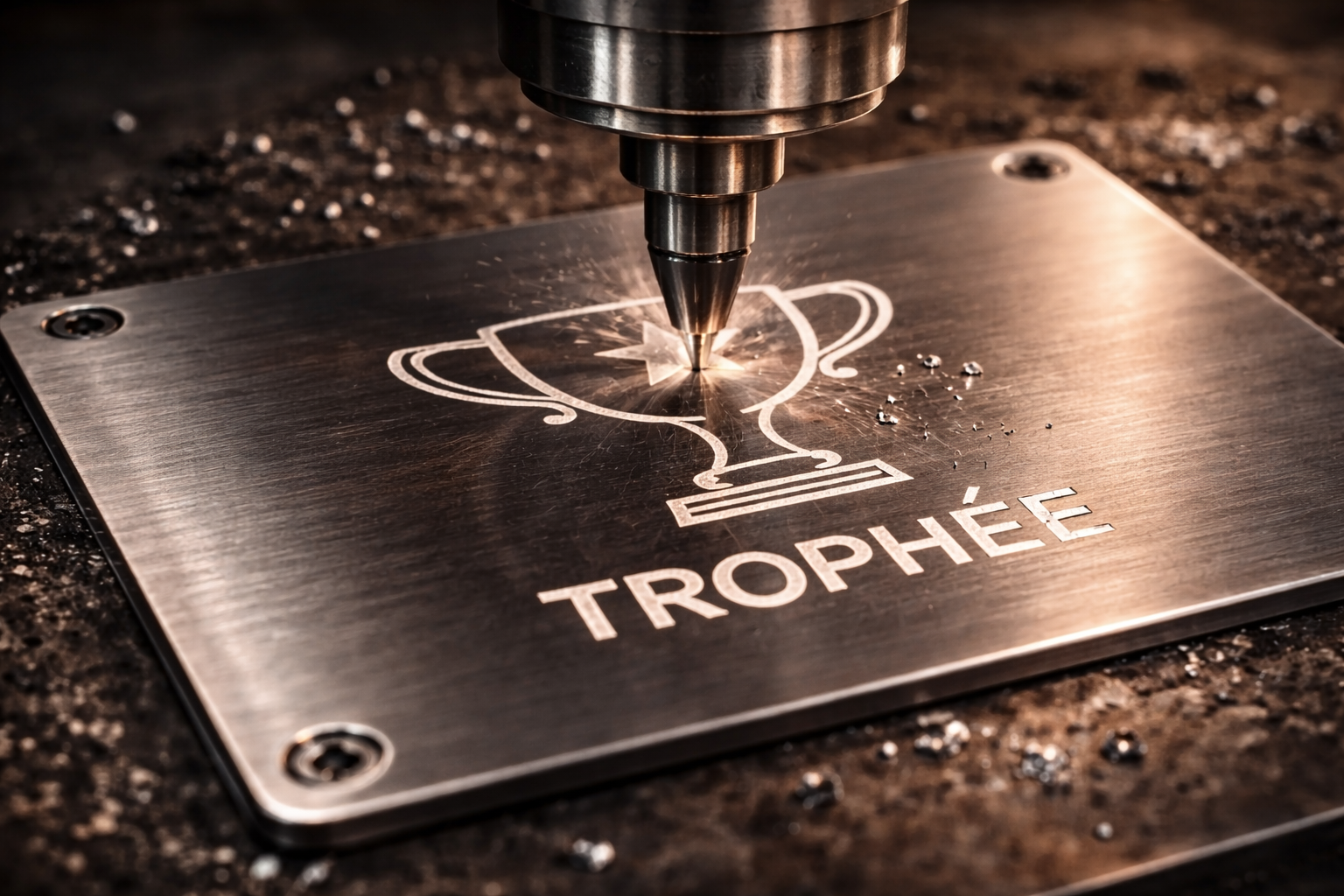
Mechanical rotary engraving (CNC routing) is one of the oldest and most robust personalisation techniques. A rotating carbide or diamond cutter removes material from metal, rigid plastic, or wood, creating recessed lettering and motifs with CNC precision. The result is classic and timeless: engraved areas can be left natural for an understated finish or colour-filled with paint or enamel for stronger contrast. This technique is the standard for professional nameplates, institutional trophies, sports equipment, and any application requiring durable, long-term identification.
Trophies by City in Switzerland
SuisseTrophée covers the entire Swiss territory. Whether you are in German-speaking Switzerland, French-speaking Switzerland (Romandy), Ticino, or the Grisons, personalisation and delivery solutions are available in all major cities.
Sources & References
The information published on this site draws on recognised sources in their respective fields. It is provided for educational and informational purposes.
Order Trophies in Switzerland
For personalised trophies, cups and medals delivered anywhere in Switzerland — Zurich, Geneva, Bern, Basel and beyond — order from our partner TopTrophy Sàrl.
View TopTrophy catalogue